
Considering settling down in one of the best cities in the world? Then buying a home in Copenhagen is a great choice. Plenty of other people have realized this too. That's why there's competition for homes, and prices are being pushed upward as a result.
There are many things to remember before buying a home, and the better prepared you are, the better your experience will be when securing your dream home.
In this guide, you can read about:
- What you need to know about buying a house in Copenhagen
- Where should I buy an apartment in Copenhagen?
- Your wants and needs for a home purchase
- Good advice for when you're buying property in Copenhagen
- Things to be aware of before you start your home purchase
What you need to know about buying a house in Copenhagen: About the Copenhagen property market Copenhagen is an expensive city to buy property in. It can be hard to find exactly the right home at exactly the right price. And once you've (finally) found your dream home, you need to act fast, because the property market in the Greater Copenhagen area has short time-on-market periods.
Is it hard to find a home in Copenhagen?
Yes, it's hard to find a home in Copenhagen. As is well known, the property market is characterized by short time-on-market periods and high prices. Apartments and homes don't grow on trees, so it can be very hard to navigate, especially if you're a first-time buyer, where the hunt for a home can seem almost overwhelming. There's a reason, though, why Copenhagen is so popular - despite the high prices - and once you've found your safe base, you can enjoy everything the city has to offer.
How do I get a home in Copenhagen?
There's a lot of competition in Copenhagen, and you'll need to arm yourself with patience. That's why it can be a good idea to start putting your name down on various waiting lists at housing associations you're particularly interested in. Do you have children who are struggling to find an affordable home? Then you might consider a parental purchase (buying a property on behalf of your child).
Once you've found your dream home, you shouldn't pay more than absolutely necessary for it. That's why it's important to have a buyer's agent on your side throughout the whole process - that way, the price stays fair. House hunting in Copenhagen can be a long and tough battle, but Bomae helps you get there safely, without you having to spend more energy and time on the purchase than necessary. This way, you're guaranteed a good property deal.
Where should I buy an apartment in Copenhagen? Now you know how much you can afford, so what's next? Depending on how much you can spend, you need to figure out which part of Copenhagen you'd most like to live in.
Copenhagen is divided into many lovely neighbourhoods, and every area has its own particular charm. That's why it's important to find the neighbourhood that suits your lifestyle.
Neighbourhoods where you can buy property in Copenhagen:
- Kødbyen (the Meatpacking District)
- Christiania
- Carlsberg Byen
- Christianshavn & Holmen
- Indre By (the city centre)
- Dragør
- Østamager
- Frederiksberg
- Hellerup
- Nørrebro
- Valby
- Vesterbro
- Ørestad (Vestamager)
- Østerbro
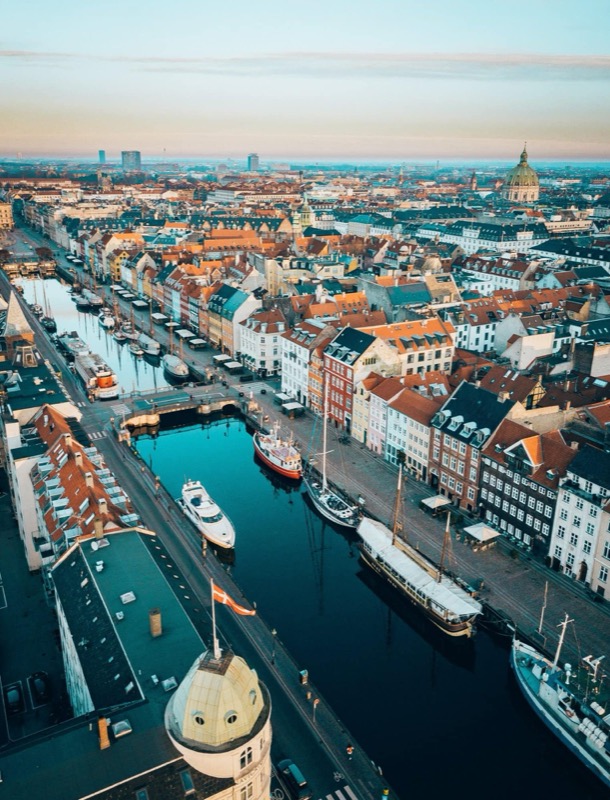
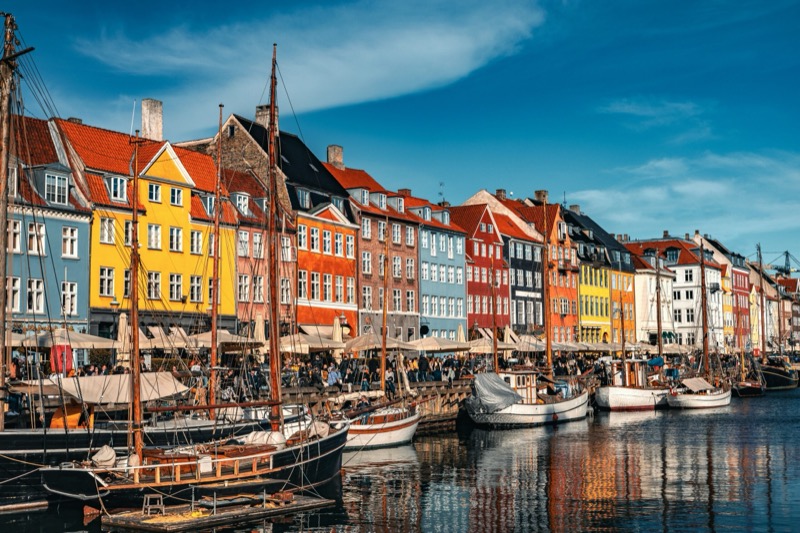
Every part of the city has its own advantages and characteristics, which is why it's important to research the city thoroughly. For example, Carlsberg Byen is a new-build development and a completely new area where buying property in Copenhagen is possible. Then there's Christianshavn and Holmen, home to narrow cobblestone streets, quirky houses, houseboats and cosy cafés along the canal. In Christianshavn and Holmen, you'll also find maritime life and many of Copenhagen's Michelin-starred restaurants.
As you research which part of the city you'd like to live in, also think about which housing style appeals to you. New-builds are typically clean and slightly clinical, while the old, quirky houses in the city centre typically have tall wood panelling or other features from older building styles. You might even be looking for a detached house on the outskirts of Copenhagen.
Wants and needs for your home purchase in Copenhagen Once you know where you want to live and how much you can afford, it's time to make a list of your wants and needs.
Remember to factor in your future plans. Do you have a child on the way, or are you about to finish studying? Then it typically pays off to look for something a bit bigger than what you need here and now. The costs of buying and selling are high, which of course needs to be factored into your thinking about the future when you buy property in Copenhagen.
We recommend thinking 5-8 years ahead. That way you're taking a long-term view and minimizing your risk, both in case the market should fall and/or in relation to the costs of buying and selling.
In your list of wants and needs, you could, for example, prioritize and ask yourself the following:
- Where do you want to live?
- How important is location compared to, say, size? Does it need to be family-friendly? Does it need to be in one of the city's green oases? Villa, apartment, or detached house?
- How much space do you need?
- How many rooms do you need at a minimum?
- Do you need a courtyard, garden, or garage?
- Do you have a hobby or interest that needs to be accommodated?
- Do you need to live close to work, schools, and daycare? Do you need to be able to get around by public transport, bike, or car?
- Does nature or good cafés and restaurants appeal to you most?
Good advice for when you're buying property in Copenhagen Because you have to act fast in the Copenhagen property market, you as a buyer might feel you need to make hasty decisions - and you may not have time to weigh up all the pros and cons. That's why it's important to have a handle on the most important things and keep an eye on the most essential factors when buying property, as well as having a clear picture of the home you're buying.
The right advice can save you several hundred thousand kroner
Buying a home in Copenhagen is much more than a roof over your head. It's the frame and foundation for your life, and it therefore holds what's important to you. Your home and your personality go hand in hand, which is why there are a lot of emotions involved in your purchase.
It's a dangerous cocktail when you buy property in Copenhagen, since you risk paying too much or overlooking serious defects and issues.
Once you've found your dream home, it's therefore important that you use a building surveyor who can inspect the apartment or house for any defects and issues. It's important that you do this BEFORE you sign the contract. You should also make sure that the electrical and plumbing installations in the home are correct.
That's why we always recommend using buyer's advisory services. With a buyer's advisor, you're never alone in a home purchase, because we're with you the whole way - from reviewing potential homes to negotiations and approval. That way, you're guaranteed to get the very best property deal.
You can read more about why buyer's advisory is a good idea, and how it can help you with your home purchase in Copenhagen, here.
Get prepared: How much can you afford to pay for your home? Preparation is everything when you buy property - especially if you're going to try buying on your own and haven't done it before. This way, you can work out how much you can actually afford - while still having room in your budget to cover other everyday expenses.
Set out a plan with a budget
Start by drawing up a detailed budget, and remember to include as much as possible. Do you have an expensive hobby, do you smoke, or are you used to buying a coffee on your way to work?
A detailed budget ensures you're not caught off guard once you've bought your home in Copenhagen. If, for example, you've failed to factor in your habits and therefore taken out a loan based on more financial headroom than you actually have, you risk having to compromise on your standard of living. And then the joy of your new purchase can quickly disappear.
Another benefit of a thorough budget is your negotiating power when you go to the bank to get financing offers. In your budget, you can factor in the following rules of thumb, so you have a rough idea of how much you can afford.
Disposable income per month should be at minimum:
- 5,000 kr. for 1 adult
- 8,500 kr. for a couple
- + 2,500 kr. per child living at home
Read more about disposable income when buying a house
Calculate your debt-to-income factor The gældsfaktor (debt-to-income factor) is a key figure the bank uses to work out how solid your finances are, and how much you're allowed to borrow. To calculate it, divide your total debt by the household's gross income. Remember to include car loans, student debt, consumer debt, and overdrafts.
Remember that you need to have saved at least 5% of the total purchase price yourself in order to be allowed to borrow. So if you're buying for 4 million kroner, you need to have saved at least 200,000 kr. for the down payment on your home purchase in Copenhagen.
When you go through this exercise in connection with your home purchase in Copenhagen, you may discover that you can compromise on some wants, while there are others you simply can't do without.
Now you're ready to research the market and find the perfect home in Copenhagen. By using digital search agents, you can set the criteria you've identified through the exercises above. That makes you much more specific and lets you quickly sort out what matches your wants. Being well prepared gives you a clear advantage when the market moves so fast - because when the right one comes along, you'll be ready to act.
Remember to visit the local estate agents in the area you're considering buying in. They may well have off-market listings that never make it online, for many different reasons.
If you find a great andelsbolig (housing co-operative share) or owner-occupied apartment, it's very important that you also look into the owners' association's financial standing. In connection with this, also review any bylaws and meeting minutes. If your debt-to-income factor is above 4, there are limits on which loans the bank can give you.
Read more: You won't get the best and cheapest home loan at the bank
Fill in the contact form so we can have a chat about how we can help you with buying and financing your home.