1. Frontpage
  2. /
  3. Best areas in Copenhagen: Expert guide to living and exploring

Best areas in Copenhagen: Expert guide to living and exploring

Copenhagen, the vibrant capital of Denmark, consistently ranks among the world’s most livable cities. Famed for its hygge, innovative design, and sustainable urban planning, it offers a quality of life that attracts individuals and families from across the globe. But with its diverse collection of neighbourhoods, each boasting a distinct character and charm, choosing the “best” area can be a delightful challenge.

A Local expert's guide to Copenhagen's most desirable areas

This guide, crafted by local experts, delves into Copenhagen's most sought-after districts, providing an in-depth look at what makes each one unique. Whether you're considering a move, planning an extended stay, or simply seeking to understand the city's rich geography, we'll help you navigate the urban landscape. We go beyond typical tourist recommendations, focusing on the practicalities and nuances of daily life, property dynamics, and the lifestyle each area affords. Our goal is to equip you with the insights needed to make an informed decision about where in Copenhagen you might truly feel at home.

Buyer's Agent

Navigating Copenhagen's unique neighbourhoods: An Overview

Copenhagen is a city of distinct micro-climates, where each neighbourhood presents its own unique blend of atmosphere, architecture, and lifestyle. From the historic cobblestone streets of the city centre to the bohemian canals of Christianshavn, and the leafy avenues of Frederiksberg, the urban fabric is rich and varied. Understanding this diversity is key to appreciating Copenhagen's allure, whether you're here to visit, work, or settle down. Each district offers a different rhythm of life, impacting everything from your daily commute to your social scene and access to green spaces.

City Centre: The heart of history and culture

Indre By is Copenhagen's historic and cultural core, offering a vibrant mix of attractions, shopping, and dining, ideal for those who thrive in the very heart of the city. This is where Copenhagen's rich past meets its dynamic present, bustling with activity from dawn until dusk.

Vibe and Atmosphere: Indre By exudes an elegant and timeless charm. Its cobblestone streets, grand architecture, and historic landmarks create a sophisticated atmosphere. While it can be busy with tourists, especially around major attractions, there are countless hidden courtyards and quieter lanes to discover.

Key Features and Landmarks:

  • Nyhavn: The iconic harbourfront with its colourful houses, historic ships, and bustling cafes.
  • Strøget: One of Europe's longest pedestrian shopping streets, offering everything from international brands to charming boutique hotels.
  • Amalienborg Palace: The official residence of the Danish royal family.
  • The Round Tower (Rundetårn): A 17th-century observatory offering panoramic city views.
  • Tivoli Gardens: Just at the edge of Indre By, this historic amusement park is a magical escape.
  • Cultural Institutions: Home to numerous museums, theatres, and art galleries.

Living and property: Property in Indre By is highly coveted and consequently among the most expensive in Copenhagen. Apartments are typically found in older, often renovated, buildings, ranging from small studios to spacious, historic flats. Living here means embracing convenience, with everything you need within walking distance, but it often comes with less private outdoor space. It’s perfect for those who desire to be at the epicentre of urban life, with cultural experiences and fine dining on their doorstep.

Transport: Public transport links are exceptional. Several Metro stations (Kgs. Nytorv, Gammel Strand, Nørreport) connect you swiftly across the city. Buses are frequent, and the area is highly walkable and bike-friendly.

Pros of Living in City Centre:

  • Unbeatable central location with access to all major attractions and amenities.
  • Rich cultural scene, historical significance, and architectural beauty.
  • Excellent transport connectivity to the entire city.
  • Vibrant dining and shopping options.

Cons of Living in City Centre:

  • High property prices and rental costs.
  • Can be noisy and crowded, especially during peak tourist season.
  • Limited green spaces compared to other districts.
  • Smaller living spaces are common.

Hidden gems and local insight: Explore the narrow streets around Gråbrødretorv for charming cafes and a quieter vibe. Discover the smaller, independent shops off Strøget, or visit the libraries and archives which offer stunning architecture and a peaceful retreat.

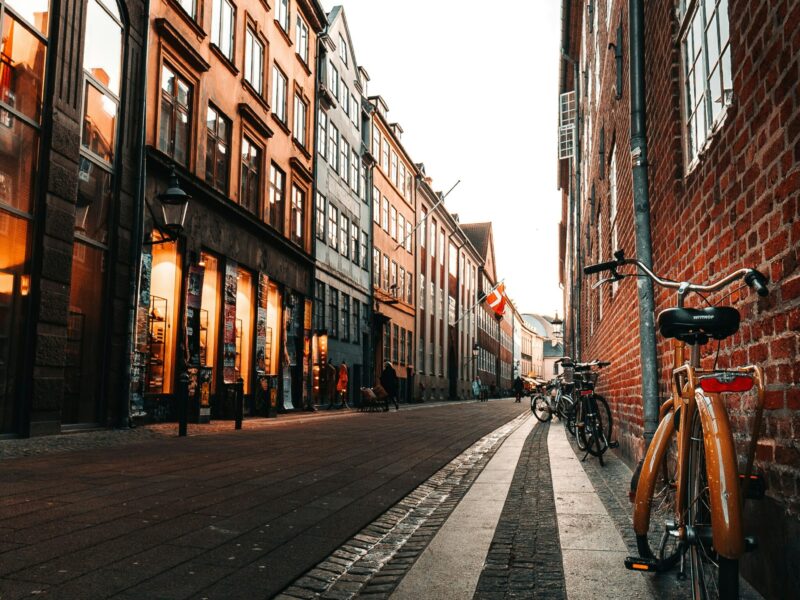
Vesterbro: Hip, trendy, and authentic urban living

Vesterbro is known for its transformation from a working-class district to a trendy, vibrant area popular with young professionals and families, celebrated for its unique atmosphere, diverse food scene, and creative energy. It perfectly blends its gritty past with a contemporary, stylish edge.

Vibe and atmosphere: Vesterbro is undeniably cool and energetic. It's a district that never truly sleeps, offering a dynamic mix of independent boutiques, innovative restaurants, lively bars, and art galleries. Despite its urban buzz, pockets of Vesterbro maintain a strong community feel, especially around its green spaces.

Key features and landmarks:

  • Meatpacking District (Kødbyen): A former industrial area now a gastronomic and nightlife hotspot, famous for its restaurants, bars, and creative businesses.
  • Istedgade: The main artery of Vesterbro, reflecting the area's diverse character, from sex shops to trendy cafes and design stores.
  • Skydebanegade: A beautiful street known for its distinctive 19th-century architecture and communal courtyards.
  • Enghaveparken: A large, multi-functional park offering recreational spaces, a wading pool, and a unique architectural style.
  • Vega: A renowned live music venue.

Living and property: Vesterbro is a highly sought-after residential area, attracting those who desire an active and vibrant urban lifestyle. The property market is competitive, with a mix of beautifully renovated historic apartments, new builds, and some co-operative housing. While prices have risen significantly, it remains a diverse area with options for different budgets, albeit generally on the higher side. It’s particularly popular with young couples, professionals, and creative individuals.

Transport: Vesterbro boasts excellent public transport links. It's adjacent to Copenhagen Central Station (København H), providing access to national and international trains, as well as S-trains and Metro lines. Numerous bus routes crisscross the district, and cycling is the preferred mode of transport for many residents.

Pros of Living in Vesterbro:

  • Dynamic and vibrant social scene with excellent dining and nightlife.
  • Strong sense of community in many areas.
  • Proximity to the city centre and Copenhagen Central Station.
  • Abundance of unique shops, cafes, and cultural venues.

Cons of Living in Vesterbro:

  • Can be busy and noisy, especially in core areas.
  • Property can be expensive and competitive to acquire.
  • Some parts still retain a grittier edge, which might not appeal to everyone.

Hidden Gems and Local Insight: Explore the smaller side streets off Vesterbrogade for independent galleries and artisan shops. Visit WestMarket for diverse food stalls, or enjoy a craft beer at one of the many microbreweries in Kødbyen.

Nørrebro: Multicultural charm and creative buzz

Nørrebro offers a dynamic and multicultural experience, known for its vibrant street life, diverse culinary scene, and a strong sense of community, making it appealing to students, artists, and young families. It’s one of Copenhagen's most densely populated and lively districts.

Vibe and atmosphere: Nørrebro is characterized by its authentic, buzzing, and eclectic energy. It's a melting pot of cultures, reflected in its diverse food scene, independent shops, and vibrant street art. Despite its urban density, Nørrebro has numerous green oases, providing residents with spaces for relaxation and community gatherings.

Key features and landmarks:

  • Assistens Cemetery (Assistens Kirkegård): More than just a cemetery, it's a beautiful, park-like space where many famous Danes (like H.C. Andersen and Søren Kierkegaard) are buried. A popular spot for strolls and picnics.
  • Jægersborggade: A small, trendy street famed for its independent boutique hotels, artisan workshops, cafes, and Michelin-starred restaurants.
  • Sankt Hans Torv: A lively square often filled with people enjoying coffee or drinks at its many cafes.
  • Superkilen: A unique, award-winning urban park designed to represent the diverse ethnicities of Nørrebro's residents, with elements from around the world.
  • Dronning Louises Bro: A popular bridge linking Nørrebro to the city centre, often packed with people socializing, especially in warmer months.

Living and property: Nørrebro offers a wide range of housing options, from traditional apartment buildings to renovated properties. It's generally more affordable than Indre By or Frederiksberg, making it attractive to students, young professionals, and creative individuals. The strong community feel and vibrant atmosphere contribute to its popularity, though property can still be competitive.

Transport: Nørrebro is exceptionally well-connected by public transport. Several Metro stations (Nørrebros Runddel, Skjolds Plads, Nørrebro St.) provide fast links to the city centre and beyond. The area is also a major hub for numerous bus routes, and its flat terrain makes cycling incredibly popular and efficient.

Pros of living in Nørrebro:

  • Vibrant, multicultural, and authentic urban environment.
  • Exceptional and diverse culinary scene.
  • Strong sense of community and local identity.
  • Abundance of green spaces, including the unique Assistens Cemetery.
  • Generally more affordable housing options than central districts.

Cons of living in Nørrebro:

  • Can be very crowded and busy.
  • Some streets can experience higher levels of noise.
  • The diverse character might not appeal to everyone looking for a quieter, more traditional setting.

Hidden gems and local insight: Explore the street food scene on Stefansgade, visit the small, independent design shops, or discover the many local bars off the main thoroughfares.

Frederiksberg: Elegant avenues and green retreats

Frederiksberg is an independent municipality within Copenhagen, renowned for its elegant residential streets, beautiful parks, and a slightly more upscale, calmer atmosphere, ideal for families and those seeking tranquility close to the city. It's often referred to as Copenhagen's "green lung."

Vibe and atmosphere: Frederiksberg offers a refined and peaceful ambiance, a stark contrast to the more bustling inner city. Its wide, tree-lined avenues, impressive villas, and well-maintained parks create an almost Parisian feel. It's a neighbourhood that values aesthetics, quality of life, and a strong sense of local community, particularly appealing to families and established professionals.

Key features and landmarks:

  • Frederiksberg Gardens (Frederiksberg Have): A magnificent romantic landscape garden, perfect for strolls, picnics, and admiring the Frederiksberg Palace.
  • Copenhagen Zoo: Located within Frederiksberg, offering a popular attraction for families.
  • Gammel Kongevej: A charming shopping street filled with upscale boutiques, gourmet food shops, cafes, and restaurants.
  • Landbohøjskolens Have (University of Copenhagen Botanical Garden): A beautiful, often overlooked botanical garden offering a tranquil escape.
  • Cisternerne: A fascinating underground art exhibition space in a former water reservoir.

Living and property: Frederiksberg is consistently one of the most desirable and expensive areas to live in Copenhagen. It's characterized by its beautiful, often larger, apartments, many in classic turn-of-the-century buildings, as well as spacious villas. It attracts affluent families and individuals drawn to its reputation for safety, excellent schools, and high quality of life. The demand for property here is consistently high.

Transport: Frederiksberg is very well-connected despite its calmer atmosphere. Several Metro lines (Fasanvej, Frederiksberg, Forum, Aksel Møllers Have) provide quick access to Indre By and other districts. Numerous bus routes supplement the Metro, and the area is extremely bike-friendly with dedicated cycling paths.

Pros of living in Frederiksberg:

  • Beautiful, elegant, and peaceful residential environment.
  • Abundance of large, well-maintained parks and green spaces.
  • Excellent reputation for safety and good schools.
  • High quality of life and a strong sense of community.
  • Upscale shopping and dining options.

Cons of living in Frederiksberg:

  • Significantly higher property prices and rental costs.
  • Can feel less diverse or 'edgy' than other areas.
  • Limited late-night nightlife compared to Vesterbro or Nørrebro.

Hidden gems and local Insight: Explore the small, independent shops and delis off Gammel Kongevej. Discover the peaceful side streets around the gardens, or enjoy a coffee at one of the charming local cafes.

Østerbro: Family-friendly and green living by the coast

Østerbro is often considered Copenhagen's most family-friendly district, offering a relaxed atmosphere with ample green spaces, wide avenues, and proximity to the coastline, perfect for those seeking a balanced, active lifestyle. It's a sought-after area for families and those who appreciate a blend of urban amenities and natural beauty.

Vibe and atmosphere: Østerbro radiates a calm, affluent, and family-oriented vibe. Its wide boulevards, elegant apartment buildings, and abundance of parks and playgrounds make it a haven for those seeking a tranquil yet well-connected existence. It has a slightly slower pace than the city centre but still offers plenty of cafes, shops, and restaurants.

Key features and landmarks:

  • Fælledparken: Copenhagen's largest public park, offering extensive green spaces, sports facilities, playgrounds, and an open-air theatre.
  • Svanemøllen Beach: A popular urban beach offering swimming, sunbathing, and watersports during the warmer months.
  • Kastellet: A beautifully preserved 17th-century fortress, now a public park and military area, perfect for walks.
  • The Lakes (Søerne): The easternmost of Copenhagen's three city lakes borders Østerbro, providing scenic walking and cycling paths.
  • Nordhavn: The adjacent, rapidly developing waterfront area offers modern amenities and architectural interest.

Living and property: Østerbro is a highly desirable residential area, particularly for families. Property values are high, reflecting the demand for its spacious apartments, often with balconies, and its excellent amenities. It offers a premium living experience with easy access to nature and a strong focus on quality of life.

Transport: Østerbro is very well-connected. Several S-train stations (Østerport, Nordhavn, Svanemøllen) offer quick links to the city centre and beyond. Numerous bus routes crisscross the district, and the newly expanded Metro (Cityringen) further enhances connectivity. Cycling infrastructure is excellent, connecting residents to all parts of the city.

Pros of living in Østerbro:

  • Ideal for families with excellent schools, playgrounds, and safety.
  • Abundance of large green spaces and proximity to the coast.
  • Calm, elegant, and relaxed atmosphere.
  • Good transport links and amenities.
  • High quality of life with a focus on active living.

Cons of living in Østerbro:

  • High property prices and rental costs.
  • Can feel less 'urban' or dynamic than central or western districts.
  • Fewer nightlife options compared to Vesterbro or Nørrebro.

Hidden gems and local insight: Explore the smaller side streets for independent design shops and cafes. Visit one of the local bakeries for traditional Danish pastries, or take a walk along the waterfront paths leading towards Nordhavn.

Christianshavn: Bohemian canals and historic charm

Christianshavn is a picturesque and unique district characterized by its historic canals, charming houseboats, and a bohemian atmosphere, offering a distinct blend of tranquility and vibrant community life. It stands apart from the rest of Copenhagen, almost feeling like a separate village.

Vibe and atmosphere: Christianshavn possesses a truly unique charm, blending its maritime heritage with a laid-back, bohemian spirit. The canals, historic buildings, and a strong sense of community give it a village-like feel, yet it’s just a stone's throw from the city centre. It’s picturesque, popular with artists and creatives, and offers a quiet retreat from the urban bustle.

Key features and landmarks:

  • Our Saviour's Church (Vor Frelsers Kirke): Famous for its distinctive corkscrew spire, offering incredible views of the city.
  • Freetown Christiania: While not for everyone, this autonomous 'freetown' is a distinct and internationally recognized community within Christianshavn, offering a unique cultural experience (it’s important to respect local rules and boundaries).
  • Canals: The defining feature of Christianshavn, with charming houseboats and canal-side cafes.
  • Opera House: Located on Holmen, adjacent to Christianshavn, an impressive architectural landmark.
  • Torvegade: The main street, offering a mix of shops, cafes, and restaurants.

Living and property: Living in Christianshavn is highly desirable and unique. Properties range from historic canal-side apartments to modern developments and, famously, houseboats. The demand is high, and prices reflect its exclusivity and charm. It attracts those who appreciate a strong sense of community, unique living spaces, and a quieter, more artistic lifestyle.

Transport: Christianshavn is well-served by the Metro (Christianshavn St.), offering quick connections to Indre By and Copenhagen Airport. Several bus lines also run through the area, and cycling along the canals is a popular and scenic way to get around.

Pros of living in Christianshavn:

  • Unique, picturesque, and charming atmosphere with canals and historic buildings.
  • Strong sense of community and artistic vibe.
  • Proximity to the city centre while offering a peaceful retreat.
  • Iconic landmarks and distinct cultural experiences.

Cons of living in Christianshavn:

  • High property prices and competitive market.
  • Can be very touristy in certain areas during peak season.
  • Limited amenities in some of the quieter residential pockets.
  • Freetown Christiania's unique status may not appeal to all.

Hidden Gems and Local Insight: Explore the smaller bridges and side streets for unexpected views and quaint cafes. Enjoy a meal at one of the canal-side restaurants or visit the local bakeries for a traditional Danish pastry.

Choosing your Copenhagen base: Considerations for living

When choosing the best area in Copenhagen for living, consider factors such as your lifestyle, budget, commute, proximity to schools or work, and desired community atmosphere. The "best" area is truly subjective and depends on your individual needs and priorities.

Here are key aspects to reflect on:

  • Lifestyle Preference: Do you thrive in a bustling, dynamic environment with endless nightlife and cultural events (Indre By, Vesterbro, Nørrebro)? Or do you prefer a quieter, greener, and more family-oriented setting (Frederiksberg, Østerbro)? Perhaps a unique, bohemian vibe appeals to you (Christianshavn), or a modern, sustainable waterfront community (Nordhavn).
  • Budget: Property prices and rental costs vary significantly across Copenhagen's districts. Indre By, Frederiksberg, and parts of Østerbro/Nordhavn are generally the most expensive. Vesterbro and Nørrebro are competitive, while parts of Amager might offer more budget-friendly options, especially if you venture slightly further from the city centre.
  • Commute and Transport: Copenhagen boasts an excellent public transport network (Metro, S-train, bus) and is incredibly bike-friendly. Consider your daily commute to work or school. Some areas offer direct Metro links, while others rely more on buses or S-trains. Cycling is often the fastest and most enjoyable way to get around for many residents.
  • Family Needs: If you have children, proximity to schools (both Danish and international), nurseries, playgrounds, and family-friendly activities will be a high priority. Areas like Frederiksberg and Østerbro are particularly renowned for their family-friendly infrastructure.
  • Green Spaces and Nature: Access to parks, lakes, and the coastline is a significant factor for many. Østerbro, Frederiksberg, and parts of Amager excel in this regard, offering extensive green retreats.
  • Community Atmosphere: Do you prefer a tight-knit local community, a multicultural melting pot, or a more anonymous urban experience? Each district has a distinct social fabric.

Ready to find your perfect Copenhagen home?

Copenhagen is a city of endless possibilities, with each neighbourhood offering a unique lifestyle and charm. From the historic elegance of Indre By to the modern sustainability of Nordhavn, your ideal home awaits. The "best" area is the one that aligns most perfectly with your personal aspirations and practical needs.

Making a move to a new country and finding the right place to live can be a significant undertaking. With local knowledge and dedicated support, this journey can be an exciting and rewarding experience.

If you're ready to explore your options or need personalized advice on finding your perfect spot in Copenhagen, don't hesitate to get in touch. Let us help you unlock the best of Copenhagen living.

Buyer's Agent

Please fill out the contact form, so we can talk about how we can help you with the purchase and financing of your home.

    Or call 70 40 03 36, Monday to Sunday 9:00-20:00